

Introduction

Learning how to reduce stress naturally is one of the most valuable investments you can make for your physical and mental well-being. Stress is a normal part of life, but when it becomes chronic, it can affect your health, sleep, relationships, and overall quality of life.
Stress has become an unavoidable part of modern life. Whether it’s caused by work deadlines, financial responsibilities, family commitments, or unexpected challenges, almost everyone experiences stress at some point. While occasional stress is a normal response that helps you stay alert and focused, ongoing stress can gradually take a toll on both your physical and mental health.
If left unmanaged, chronic stress may contribute to poor sleep, frequent headaches, digestive discomfort, muscle tension, reduced concentration, and a weakened immune system. Over time, it can also affect your mood, energy levels, and overall quality of life.
The encouraging news is that you don’t always need complicated solutions to feel better. Healthy daily habits, supported by scientific research, can help your body respond to stress more effectively and improve your emotional resilience over time.
In this guide, you’ll learn how stress affects your body, discover 10 evidence-based strategies to reduce stress naturally to reduce stress, and find practical tips that you can start applying today. You’ll also understand when lifestyle changes may be enough and when it’s important to seek professional support.
How to Reduce Stress Naturally starts with small daily habits that can make a significant difference over time.
Key Takeaways
- Stress is a natural response, but chronic stress can negatively affect both your body and mind.
- Small, consistent lifestyle changes are often more effective than drastic short-term solutions.
- Regular exercise, quality sleep, balanced nutrition, and relaxation techniques work together to improve stress management.
- Building healthy daily habits can increase resilience and support long-term well-being.
- If stress becomes overwhelming or begins interfering with your daily life, it’s important to consult a qualified healthcare professional.
What Happens to Your Body When You’re Stressed?
Stress isn’t just an emotional feeling—it triggers a series of physical changes designed to protect you in challenging situations.
When your brain detects a potential threat, it activates the fight-or-flight response, an automatic survival mechanism that prepares your body to react quickly. Within seconds, hormones such as adrenaline and cortisol are released into your bloodstream.
Learn more about how stress affects the body in the World Health Organization’s guide on stress.
These hormones temporarily increase your heart rate, breathing rate, blood pressure, and alertness. At the same time, your muscles receive more oxygen and energy so you can respond to the situation more effectively.
This response is incredibly useful in short-term situations. For example, it can help you avoid danger, stay focused during an important presentation, or react quickly in an emergency.
However, problems arise when your body remains in this heightened state for weeks or even months.
Instead of returning to normal, your stress response stays activated, forcing your body to work harder than it should. Over time, this may contribute to a variety of physical and emotional symptoms.
Some of the most common signs of chronic stress include:
- persistent fatigue;
- headaches;
- muscle tension or neck pain;
- digestive problems;
- difficulty sleeping;
- irritability;
- anxiety;
- poor concentration;
- feeling overwhelmed by everyday tasks.
Although occasional stress is a normal part of life, learning to manage it effectively can help protect your long-term health and improve your overall quality of life.
Acute vs. Chronic Stress: What’s the Difference?
Not all stress is harmful. In fact, stress can sometimes be beneficial. The key difference lies in how long it lasts and how your body responds.
The table below highlights the main differences between acute and chronic stress.
| Acute Stress | Chronic Stress |
|---|---|
| Short-term response to a challenge | Long-lasting response that persists over time |
| Helps improve focus and reaction time | May negatively affect physical and mental health |
| Usually disappears once the situation ends | Can continue for weeks or months |
| Common before exams, interviews, or public speaking | Often linked to work pressure, financial problems, or ongoing personal difficulties |
| Normal and generally harmless | May require lifestyle changes or professional support |
Acute stress is a natural part of everyday life and usually resolves once the stressful situation has passed.
Chronic stress, on the other hand, deserves more attention. When your body is exposed to stress hormones for long periods, it may become harder to recover both physically and mentally. This is why developing healthy coping strategies early can make such a significant difference.
The good news is that even small daily habits can help reduce the effects of chronic stress. In the next section, you’ll discover 10 practical, science-informed strategies that can help you feel calmer, improve your resilience, and support your overall well-being—without relying solely on medication.
10 Science-Backed Ways to Reduce Stress Naturally
There’s no magic solution that eliminates stress overnight. However, research consistently shows that certain lifestyle habits can help your body respond to stress more effectively and improve your overall well-being.
The secret isn’t trying every technique at once. Instead, focus on building small, sustainable habits that fit naturally into your daily routine. Over time, these simple changes can strengthen your resilience and make stressful situations feel more manageable.
Let’s explore ten natural strategies that can help you feel calmer and healthier every day.
1. Practice Deep Breathing
One of the fastest ways to calm your body is by slowing down your breathing.
When you’re stressed, your breathing often becomes quick and shallow. This sends signals to your brain that you may still be in danger, keeping your body in a state of alert. Deep, controlled breathing has the opposite effect. It helps activate the parasympathetic nervous system, which encourages your body to relax and recover.
A simple technique you can try is box breathing:
- Inhale slowly through your nose for four seconds.
- Hold your breath for four seconds.
- Exhale gently through your mouth for four seconds.
- Pause for another four seconds.
- Repeat the cycle for three to five minutes.
You can practice this exercise before an important meeting, after a stressful conversation, or whenever you start feeling overwhelmed. It only takes a few minutes and requires no special equipment, making it one of the easiest stress-management techniques to incorporate into your day.
2. Move Your Body Every Day
Regular physical activity is one of the most effective natural ways to manage stress.
Exercise encourages your body to release endorphins, often called the “feel-good” hormones, which can improve mood and help reduce feelings of tension. It also supports better sleep, increases energy levels, and promotes overall physical health.
The good news is that you don’t need to spend hours at the gym. Consistency matters far more than intensity.
Activities that can help include:
- brisk walking;
- cycling;
- swimming;
- yoga;
- dancing;
- strength training.
Even a 30-minute walk can help clear your mind after a busy day and improve your emotional well-being.

3. Prioritize Restful Sleep
Stress and poor sleep often reinforce each other. When you’re stressed, it can be difficult to fall asleep or stay asleep. At the same time, lack of quality sleep makes it harder for your body to cope with everyday challenges.
Improving your sleep habits can significantly support your ability to manage stress.
Consider these simple strategies:
- go to bed and wake up at the same time every day;
- avoid large meals and caffeine late in the evening;
- reduce screen time at least one hour before bed;
- keep your bedroom cool, quiet, and dark;
- create a relaxing bedtime routine.
Good sleep allows your brain and body to recover, making you more resilient when stressful situations arise.
4. Eat a Balanced, Nutrient-Rich Diet
What you eat can influence how you feel, both physically and emotionally.
Although no single food can eliminate stress, a nutritious eating pattern provides your body with the vitamins, minerals, healthy fats, and antioxidants it needs to function properly.
Aim to include:
- colorful fruits and vegetables;
- whole grains;
- lean proteins;
- legumes;
- nuts and seeds;
- healthy fats, such as olive oil and oily fish.
At the same time, try to limit highly processed foods, sugary snacks, and excessive caffeine, which may contribute to energy crashes or make some people feel more anxious.
Healthy eating works best when combined with other positive lifestyle habits rather than being viewed as a standalone solution.
5. Practice Mindfulness and Meditation
Stress often pulls your attention toward worries about the future or regrets about the past. Mindfulness encourages you to focus on the present moment instead.
Regular mindfulness practice has been associated with improvements in emotional well-being and may help many people manage everyday stress more effectively.
You don’t need long meditation sessions to experience the benefits. Even five to ten minutes each day can be a good starting point.
Simple ways to practice mindfulness include:
- focusing on your breathing;
- observing your thoughts without judging them;
- taking a mindful walk outdoors;
- listening to a guided meditation;
- paying full attention while eating or drinking.
Like exercise, mindfulness becomes more effective with regular practice. The goal isn’t to eliminate stressful thoughts but to respond to them in a calmer and healthier way.
The National Center for Complementary and Integrative Health (NCCIH) also provides evidence-based information about relaxation techniques, meditation, and stress management
6. Spend More Time in Nature
Modern life often keeps us indoors, surrounded by screens, traffic, and constant distractions. Spending time in nature offers a simple way to slow down and recharge.
Research suggests that being in natural environments may help reduce stress, improve mood, and promote a greater sense of well-being. Whether it’s a local park, a forest trail, or your own garden, even short periods outdoors can have a positive impact.
You don’t need to plan long outdoor adventures to experience the benefits. Simple activities can make a difference, such as:
- taking a walk in a nearby park;
- gardening;
- reading outside;
- enjoying your morning coffee on a balcony or in the backyard;
- spending time near trees or water.
Fresh air, natural light, and a quieter environment can help you disconnect from daily pressures and return to your routine feeling more refreshed.
7. Stay Connected with People You Trust
Stress often feels more manageable when you don’t face it alone.
Talking with a trusted friend, family member, or colleague can provide emotional support and help you see challenges from a different perspective. Sometimes, simply sharing your thoughts with someone who listens without judgment can ease the emotional burden.
Healthy social relationships also encourage positive habits, increase resilience, and remind us that support is available during difficult times.
You don’t need a large social circle. What matters most is the quality of your connections.
Try to make time for meaningful conversations, even if it’s just a quick phone call or a coffee with someone you trust. These small moments of connection can have a lasting impact on your emotional well-being.
According to the NIH Emotional Wellness Toolkit, building supportive relationships is an important part of emotional well-being and resilience.
8. Reduce Caffeine and Alcohol Intake
Many people rely on coffee to stay productive or turn to alcohol to unwind after a stressful day. While these habits may seem helpful in the short term, they can sometimes make stress more difficult to manage.
Too much caffeine may increase feelings of nervousness, restlessness, or interfere with sleep, especially if consumed later in the day. Alcohol, on the other hand, may create temporary relaxation but can disrupt sleep quality and affect your mood the following day.
Instead of eliminating these drinks completely, focus on moderation.
You can also try healthier alternatives, such as:
- herbal teas;
- sparkling water with fresh fruit;
- decaffeinated beverages in the evening;
- staying well hydrated throughout the day.
Small adjustments can make a noticeable difference in how you feel over time.
9. Take Regular Breaks Throughout the Day
Many people believe that working continuously leads to greater productivity. In reality, your brain needs regular opportunities to rest and recover.
Taking short breaks throughout the day can help reduce mental fatigue, improve concentration, and lower stress levels.
Simple ideas include:
- standing up and stretching every hour;
- taking a short walk around the office or your home;
- looking away from your screen for a few minutes;
- practicing deep breathing between tasks;
- drinking a glass of water and moving your body.
These brief pauses don’t reduce productivity—they often improve it by helping you return to your work with greater focus and energy.
10. Make Time for Activities You Enjoy
Life isn’t only about responsibilities. Making time for enjoyable activities is an important part of maintaining emotional balance.
Hobbies allow your mind to shift away from daily pressures and give you an opportunity to relax, express creativity, or simply have fun.
The best hobby is the one you genuinely enjoy. Some popular options include:
- reading;
- painting or drawing;
- cooking;
- photography;
- playing a musical instrument;
- gardening;
- crafting;
- listening to music.
Rather than thinking of hobbies as a luxury, consider them an investment in your mental well-being. Even setting aside thirty minutes a few times each week can help you feel more relaxed and better prepared to handle everyday challenges.
Foods That May Help Your Body Better Manage Stress
Although no food can eliminate stress on its own, your daily diet plays an important role in supporting both your physical and mental health. A balanced eating pattern provides the nutrients your body needs to function properly and recover from everyday challenges.
Instead of looking for “superfoods” or quick fixes, focus on building meals around a variety of nutrient-rich foods.
The table below highlights some foods that can support overall well-being as part of a healthy lifestyle.
| Food | Why It May Help |
|---|---|
| Leafy greens | Rich in vitamins, minerals, and antioxidants. |
| Berries | Provide antioxidants that support overall health. |
| Fatty fish | A source of omega-3 fatty acids, which are important for brain health. |
| Nuts and seeds | Contain healthy fats, magnesium, and plant-based protein. |
| Whole grains | Help provide steady energy throughout the day. |
| Yogurt and fermented foods | Support a healthy gut microbiome. |
| Legumes | Rich in fiber, protein, and essential nutrients. |
| Dark chocolate (in moderation) | Can be enjoyed as part of a balanced diet. |
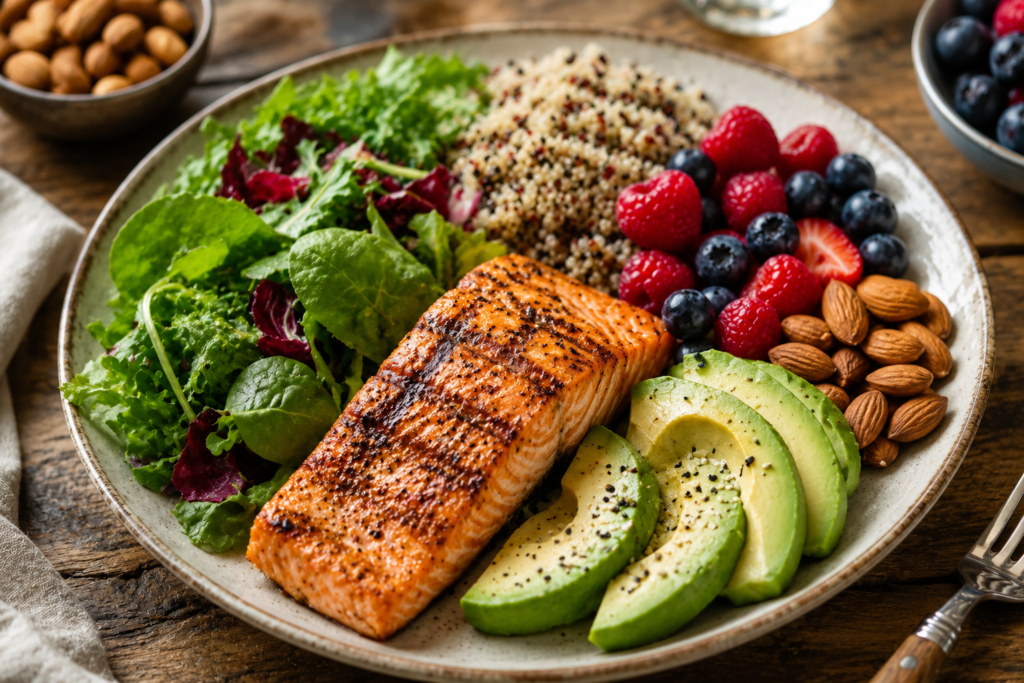
Rather than focusing on individual foods, aim to follow an overall healthy eating pattern that includes plenty of whole foods while limiting highly processed products.
You may also enjoy reading:
- Foods That Help Reduce Inflammation
- Foods That Improve Gut Health
- Best Foods to Boost Your Immune System
Daily Habits to Reduce Stress Naturally
Managing stress isn’t about making one dramatic change. More often, it’s the small decisions you make every day that have the greatest impact over time.
Building a consistent routine can help your body recover more effectively from daily challenges.
Here are a few habits worth practicing:
- wake up at a consistent time;
- spend a few minutes stretching or walking;
- eat regular, balanced meals;
- drink enough water throughout the day;
- take short breaks while working;
- spend time outdoors whenever possible;
- reduce screen time before bed;
- aim for seven to nine hours of sleep each night.
You don’t have to adopt every habit immediately. Start with one or two changes that feel realistic, then gradually build from there. Small improvements often become lasting habits when practiced consistently.

Avoiding these mistakes can make it easier to reduce stress naturally.
When trying to reduce stress, it’s easy to focus only on what you should do. However, recognizing habits that may increase stress is just as important.
Here are some common mistakes to avoid:
- ignoring early signs of stress until they become overwhelming;
- sleeping too little or following an inconsistent sleep schedule;
- relying on caffeine to fight fatigue;
- skipping meals or eating mostly processed foods;
- avoiding physical activity because you feel too busy;
- spending excessive time on social media or consuming negative news throughout the day;
- trying to solve every problem at once instead of prioritizing;
- believing you have to manage everything on your own.
Nobody gets everything right all the time. The goal isn’t perfection—it’s becoming more aware of habits that may be making stress harder to manage.
Myths About Natural Stress Relief
There are many misconceptions about stress and how to manage it. Understanding the facts can help you make informed decisions and develop healthier expectations.
| Myth | Fact |
|---|---|
| Stress is always harmful. | Short-term stress is a normal biological response that can help you react to challenges. |
| Healthy habits work immediately. | Most lifestyle changes produce benefits when practiced consistently over time. |
| Only major life events cause stress. | Everyday responsibilities can also create significant stress. |
| Asking for help is a sign of weakness. | Seeking support is a healthy and responsible way to care for your well-being. |
| You need to eliminate all stress. | The goal is to manage stress effectively, not to remove it completely. |
Understanding these myths can help you develop a healthier and more realistic approach to stress management.
When Should You Seek Professional Help?
While everyday stress is common, there are situations where professional support is important.
Consider speaking with a healthcare professional if stress:
- lasts for several weeks or months;
- affects your ability to work or study;
- interferes with your relationships;
- causes ongoing sleep problems;
- leads to frequent anxiety or panic attacks;
- makes it difficult to enjoy daily life.
If you ever experience thoughts of harming yourself or others, seek immediate help from emergency services or a qualified mental health professional.
Remember, asking for help is not a sign of failure. Mental health deserves the same care and attention as physical health.
If you’re unsure where to start, the National Institute of Mental Health (NIMH) offers practical resources on mental health, self-care, and when to seek professional support.
Your Daily Stress-Reduction Plan
Managing stress doesn’t require a complete lifestyle overhaul. In fact, small, consistent actions often have a greater long-term impact than occasional big efforts.
Following this routine is one of the most effective ways to reduce stress naturally without relying on medication.
| Time of Day | Healthy Habit | Why It Helps |
|---|---|---|
| Morning | Practice five minutes of deep breathing and drink a glass of water. | Starts the day with a calm mindset and supports hydration. |
| Morning | Take a 20–30 minute walk or do light exercise. | Boosts mood, increases energy, and supports stress management. |
| Afternoon | Eat a balanced lunch and take a short break away from your screen. | Helps maintain energy levels and reduces mental fatigue. |
| Afternoon | Spend a few minutes outdoors if possible. | Fresh air and natural light can improve well-being. |
| Evening | Limit caffeine, reduce screen time, and enjoy a relaxing activity. | Helps your body prepare for restful sleep. |
| Night | Aim for 7–9 hours of quality sleep. | Supports physical recovery and emotional resilience. |
Remember that consistency is more important than perfection. Missing one day won’t erase your progress—simply return to your routine the next day.
Quick Checklist
Before you finish reading, review this simple checklist.
✔ Practice deep breathing every day.
✔ Stay physically active.
✔ Prioritize quality sleep.
✔ Eat balanced meals rich in whole foods.
✔ Stay hydrated throughout the day.
✔ Spend time outdoors whenever possible.
✔ Take regular breaks from work or study.
✔ Stay connected with family and friends.
✔ Make time for hobbies that help you relax.
✔ Ask for professional help if stress becomes overwhelming.
Conclusion
If you want to reduce stress naturally, consistency matters more than perfection.
Stress is a natural part of life, but it doesn’t have to take control of your health or happiness.
While you can’t always eliminate stressful situations, you can choose how you respond to them. Small daily habits—such as exercising regularly, eating nutritious foods, getting enough sleep, practicing deep breathing, and staying connected with people you trust—can make a meaningful difference over time.
The most important step is simply getting started. Instead of trying to change everything at once, choose one habit that feels realistic and commit to practicing it consistently. As your confidence grows, you can gradually add more healthy routines to your day.
Finally, remember that there’s no shame in asking for help. If stress becomes persistent, overwhelming, or begins affecting your daily life, speaking with a healthcare professional is one of the most important steps you can take for your well-being.
Every small positive choice you make today is an investment in a healthier, calmer, and more balanced future.
For more evidence-based guidance on managing stress and improving emotional well-being, you can also explore resources from the World Health Organization (WHO) and the National Institutes of Health (NIH)
Frequently Asked Questions (FAQ)
Many people wonder how to reduce stress naturally without medication.
What is the fastest natural way to reduce stress?
Deep breathing exercises can help calm your body within a few minutes. Going for a short walk, stretching, or practicing mindfulness may also provide quick relief from everyday stress.
Can stress go away naturally?
Mild or temporary stress often improves through healthy lifestyle habits, good sleep, regular exercise, relaxation techniques, and social support. However, persistent stress may require professional guidance.
Does exercise really help reduce stress?
Yes. Regular physical activity supports mental well-being, improves mood, promotes better sleep, and helps your body cope with stress more effectively.
What foods may help support stress management?
A balanced diet that includes fruits, vegetables, whole grains, legumes, nuts, seeds, and oily fish supports overall health. Rather than relying on a single “stress-relief food,” focus on maintaining healthy eating habits over time.
Can poor sleep increase stress?
Absolutely. Lack of quality sleep can make you feel more irritable, reduce your ability to concentrate, and make everyday challenges feel more difficult to manage.
Is stress always harmful?
No. Short-term stress is a normal biological response that helps your body react to challenges. Problems typically arise when stress becomes chronic or begins interfering with your physical or mental health.
How long does it take to reduce stress naturally?
Some techniques, such as deep breathing, may help within minutes. Other lifestyle changes, including regular exercise and better sleep habits, often produce noticeable benefits after several weeks of consistent practice.
When should I see a doctor about stress?
You should speak with a healthcare professional if stress persists for several weeks, affects your work or relationships, causes severe anxiety, or interferes with your daily life.