

Gut health foods can play a major role in improving digestion, strengthening the immune system, and supporting overall well-being. Millions of people struggle with digestive issues such as bloating, constipation, or stomach discomfort.
Your gut is home to trillions of beneficial bacteria that influence digestion, immunity, energy levels, and even mental health. Feeding these bacteria with the right nutrients can improve your overall well-being naturally.
In this article, you’ll discover 10 scientifically supported foods that promote a healthier gut microbiome and help your digestive system function at its best.
Why Gut Health Foods Matter
According to the Harvard T.H. Chan School of Public Health, a diet rich in fiber and fermented foods can help support a healthy gut microbiome and overall digestive health.
A healthy gut does much more than digest food. It helps absorb nutrients, supports the immune system, reduces inflammation, and communicates directly with the brain through the gut-brain axis.
Digestive problems can have many possible causes, but persistent symptoms may be worth paying attention to. Learn more about the common signs of an unhealthy gut and when digestive changes may need further attention.
1. Yogurt
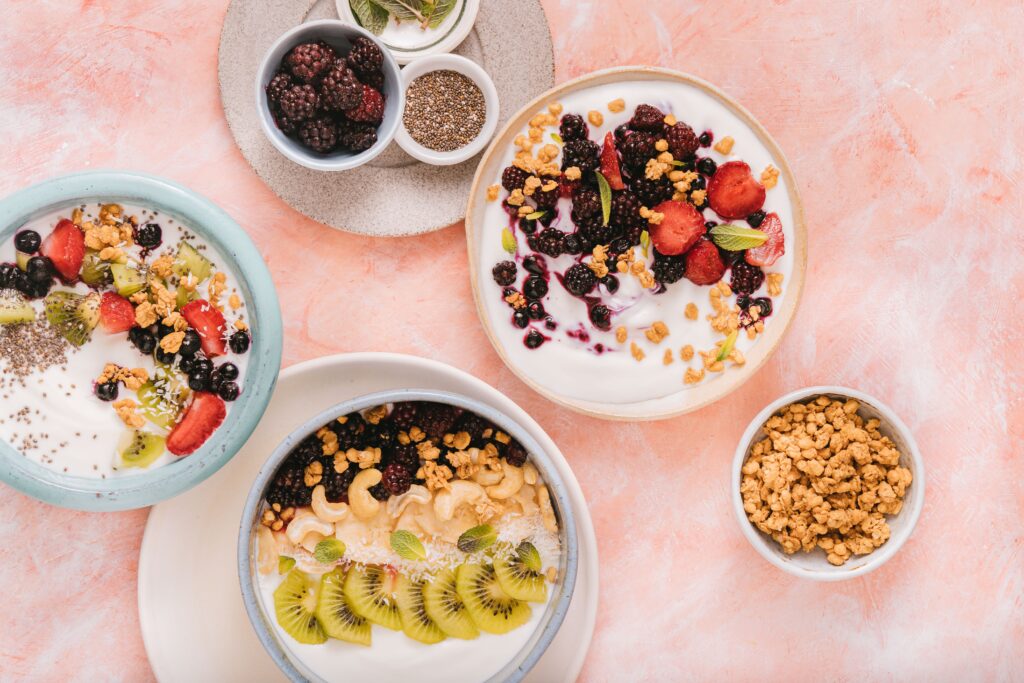
Yogurt is one of the best natural sources of probiotics—live bacteria that help maintain a balanced gut microbiome. Choosing plain yogurt with active cultures can improve digestion and support immune function.
2. Kefir
Kefir is a fermented milk drink that contains an even greater variety of beneficial bacteria than yogurt. Regular consumption may improve digestion, reduce inflammation, and increase the diversity of healthy gut bacteria.
3. Sauerkraut
Sauerkraut is fermented cabbage rich in probiotics, fiber, and vitamins C and K. Because it is naturally fermented, it helps introduce beneficial bacteria into the digestive system.
4. Kimchi
Kimchi is a traditional Korean fermented vegetable dish packed with probiotics, antioxidants, and fiber. Studies suggest it may help improve digestion and reduce inflammation.

5. Oats
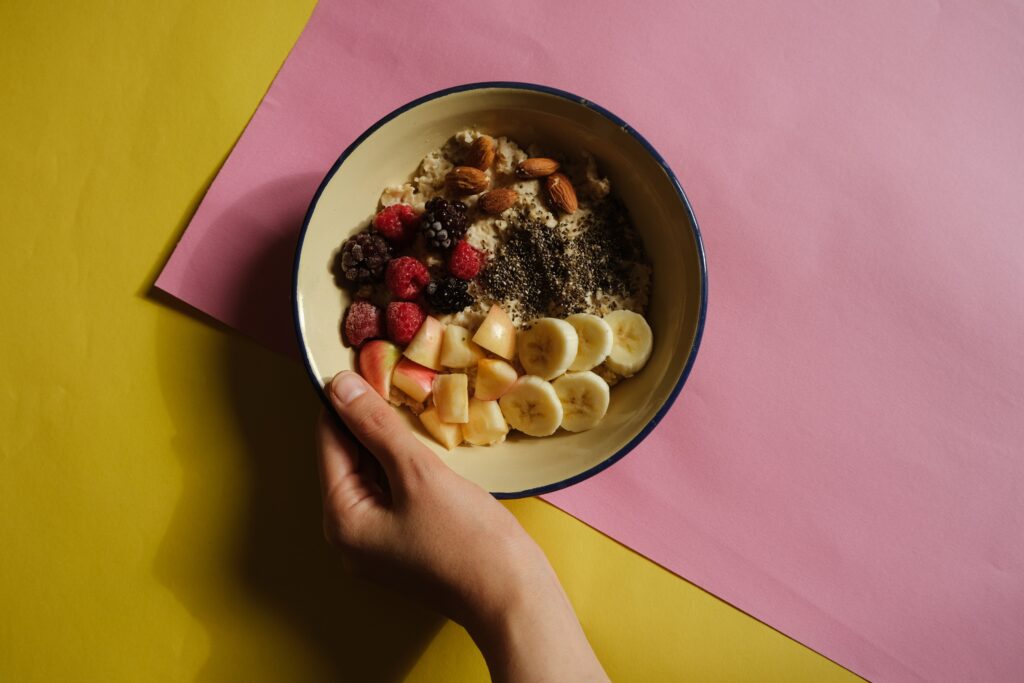
Oats are rich in soluble fiber, especially beta-glucan, which acts as a prebiotic. Prebiotics feed the beneficial bacteria already living in your gut, helping them thrive.
6. Bananas
Bananas are an excellent source of prebiotic fiber, which nourishes beneficial gut bacteria. They are also easy to digest and can help support regular bowel movements.
7. Garlic
Garlic contains natural prebiotics that promote the growth of healthy gut bacteria. It also has antimicrobial properties that may help maintain a balanced digestive system.
8. Apples
Apples are rich in pectin, a type of soluble fiber that acts as a prebiotic. Eating apples regularly may improve gut bacteria diversity and support healthy digestion.
9. Legumes
Beans, lentils, and chickpeas provide plenty of fiber and resistant starch, both of which feed beneficial bacteria and contribute to a healthier gut microbiome.
10. Ginger
Ginger has long been used to support digestion. It may help reduce nausea, improve stomach emptying, and soothe digestive discomfort while supporting overall gut health.
Final Thoughts
Your gut health starts with the choices you make every day. Including probiotic and prebiotic foods in your diet can improve digestion, strengthen your immune system, and support long-term wellness.
Small, consistent changes often produce the biggest results. By adding these gut-friendly foods to your meals, you’ll be taking an important step toward better health naturally.
Start by adding just one of these foods to your daily diet and notice the difference over the next few weeks.
If you’re interested in improving your overall health naturally, read our guide: