

Introduction
How much water should you drink every day? It’s one of the most common health questions, yet the answer isn’t the same for everyone. Water is one of the most essential nutrients your body needs, yet it’s often the one people think about the least. Every cell, tissue, and organ depends on adequate hydration to function properly. From regulating body temperature to supporting digestion, transporting nutrients, and maintaining healthy brain function, water plays a role in almost every process that keeps you alive and healthy.
You’ve probably heard the advice to drink eight glasses of water a day, but is that really the right amount for everyone? The answer is no. Your ideal daily water intake depends on several factors, including your age, body size, activity level, climate, and overall health.
According to the Mayo Clinic, there isn’t a single amount of water that’s right for everyone because hydration needs vary from person to person.
Understanding your personal hydration needs can help improve your energy levels, concentration, digestion, physical performance, and even your immune system. On the other hand, not drinking enough water may leave you feeling tired, dizzy, or unable to perform at your best.
In this guide, you’ll learn how much water you really need, what influences your daily requirements, how to recognize dehydration, and simple strategies to stay properly hydrated every day.
Key Takeaways
- Water supports every major function in your body, including digestion, circulation, and temperature regulation.
- There is no single amount of water that’s right for everyone.
- Foods like fruits and vegetables contribute to your daily hydration.
- Physical activity, hot weather, and illness increase your water needs.
- Small daily habits can make staying hydrated much easier.
Why Your Body Needs Water
Water makes up approximately 60% of the adult human body, making it one of the most important components of overall health. Every organ relies on water to function efficiently.
Some of water’s most important roles include:
- transporting oxygen and nutrients to your cells;
- removing waste products through urine and sweat;
- lubricating joints;
- protecting organs and tissues;
- regulating body temperature through perspiration;
- supporting healthy digestion;
- maintaining normal blood pressure.
Even mild dehydration can affect how your body performs. Studies have shown that losing as little as 1–2% of your body water may reduce concentration, increase fatigue, and negatively impact physical performance.
Proper hydration also supports healthy digestion by helping move food through your digestive tract and reducing the risk of constipation. Combined with a diet rich in fiber, drinking enough water contributes to a healthier gut and may improve overall digestive comfort.
If you’ve already read our guide on 10 Foods That Improve Gut Health Naturally, you know that hydration works together with fiber-rich foods to support a balanced digestive system.
How Much Water Should You Drink Every Day?
The amount of water you need each day depends on your lifestyle and individual circumstances. Instead of following a fixed rule, health experts recommend looking at your overall fluid intake.
According to recommendations from the U.S. National Academies of Sciences, average daily fluid intake is approximately:
| Group | Total Daily Fluid Intake* |
|---|---|
| Women | About 2.7 liters (91 oz) |
| Men | About 3.7 liters (125 oz) |
*These amounts include fluids from both beverages and water-rich foods.
It’s important to remember that around 20% of your daily water intake usually comes from foods such as fruits, vegetables, soups, and yogurt.
Your personal needs may be higher if you:
- exercise regularly;
- spend time outdoors in hot weather;
- have a fever or illness;
- are pregnant or breastfeeding;
- sweat heavily during work or sports.
Rather than obsessing over a specific number of glasses, focus on drinking consistently throughout the day and paying attention to your body’s signals.
3. Factors That Affect Your Water Needs
Although general recommendations provide a useful starting point, your ideal water intake depends on your individual circumstances. Two people of the same age can have very different hydration needs based on their lifestyle, environment, and health.
Here are the main factors that influence how much water you should drink every day.
Physical Activity
Exercise increases your body temperature, causing you to sweat. Sweating is your body’s natural cooling system, but it also leads to fluid loss.
If you’re physically active, especially during intense workouts or long walks, you’ll need to replace the fluids you lose. Even moderate exercise, such as a daily 30-minute walk, can increase your hydration needs, particularly in warm weather.
If you’re trying to build healthier habits, don’t miss our guide on The Benefits of Walking 30 Minutes Every Day, where we explain how regular walking supports both physical and mental health.

Climate and Temperature
Hot and humid weather increases sweating, while cold environments can also contribute to dehydration because you may not feel as thirsty. High altitudes may also increase fluid loss through faster breathing.
Wherever you live, it’s important to adjust your water intake based on the conditions around you.
Pregnancy and Breastfeeding
Pregnant and breastfeeding women require additional fluids to support both their own health and the baby’s development. Staying properly hydrated also helps maintain healthy circulation and supports milk production.
Illness
Fever, vomiting, diarrhea, and certain infections can quickly lead to dehydration. During illness, replacing lost fluids becomes especially important. In some situations, electrolyte-containing drinks may also be recommended, particularly if significant fluid loss occurs.
Diet
Your eating habits also affect hydration. Foods rich in water contribute to your daily fluid intake, while diets high in sodium or protein may increase your body’s water requirements.
4. Signs You’re Not Drinking Enough Water
Your body has several ways of telling you when it’s running low on fluids. Learning to recognize these early signs can help you prevent dehydration before it becomes more serious.
Common symptoms include:
- feeling thirsty;
- dark yellow urine;
- dry mouth or lips;
- headaches;
- tiredness or low energy;
- dizziness;
- difficulty concentrating;
- dry skin.
One of the easiest ways to monitor hydration is by observing the color of your urine. Pale yellow generally indicates good hydration, while darker urine often suggests that you need more fluids.
Mild dehydration may not seem serious, but it can reduce both physical and mental performance. Research has shown that even small fluid losses can affect mood, memory, concentration, and reaction time.
If dehydration becomes severe, symptoms such as confusion, rapid heartbeat, extreme fatigue, or fainting require immediate medical attention.
5. Can You Drink Too Much Water?
While dehydration receives most of the attention, drinking excessive amounts of water can also be harmful.
In rare cases, consuming water much faster than your kidneys can eliminate it may lead to hyponatremia, a condition in which sodium levels in the blood become dangerously low.
Symptoms may include:
- nausea;
- vomiting;
- confusion;
- muscle cramps;
- swelling;
- severe headaches.
Fortunately, this condition is uncommon and usually affects endurance athletes or people who drink extremely large quantities of water in a short period.
For most healthy adults, the best approach is simple: drink regularly throughout the day and avoid forcing yourself to consume excessive amounts of water if you’re not thirsty.
Balance is far more important than chasing an arbitrary daily target.
6. Foods That Help You Stay Hydrated
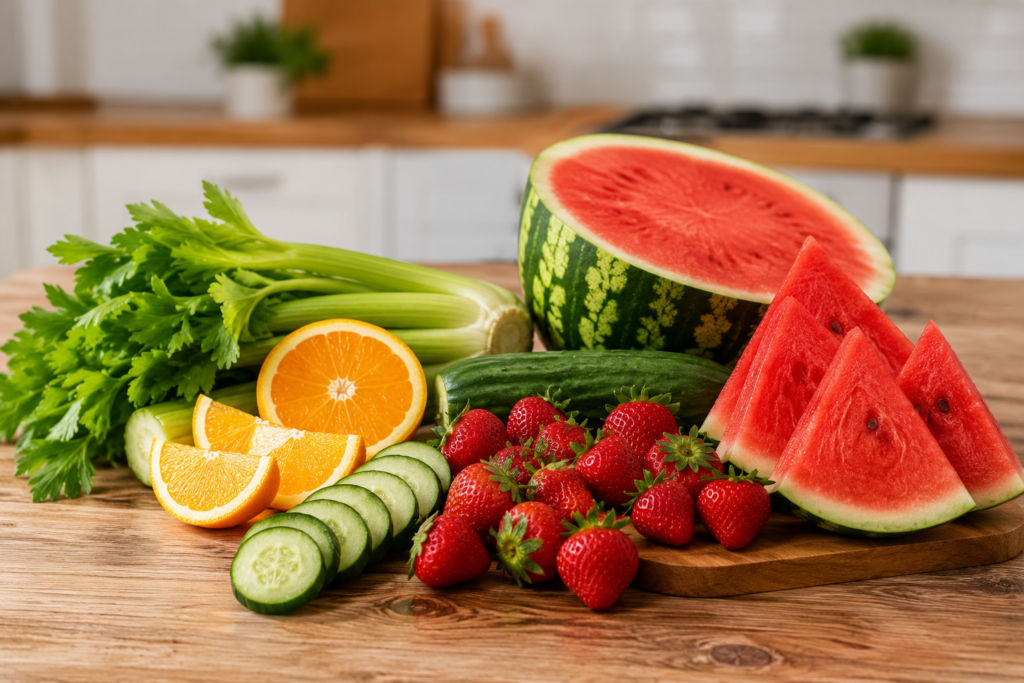
Drinking water isn’t the only way to stay hydrated. Many foods naturally contain high amounts of water and can contribute significantly to your daily fluid intake.
Some excellent choices include:
| Food | Approximate Water Content |
|---|---|
| Cucumber | 96% |
| Lettuce | 95% |
| Celery | 95% |
| Watermelon | 92% |
| Strawberries | 91% |
| Oranges | 86% |
These foods also provide vitamins, minerals, antioxidants, and fiber, making them a healthy addition to any diet.
The Harvard T.H. Chan School of Public Health also highlights that water-rich foods contribute to your daily hydration while providing important nutrients for overall health.
Adding more fruits and vegetables to your meals is one of the easiest ways to improve both hydration and overall nutrition.
If you’re looking for more foods that support digestive health, be sure to read our article 10 Foods That Improve Gut Health Naturally, where we explore several nutrient-rich options that work well alongside proper hydration.
7. Does Coffee Count Toward Your Daily Water Intake?
One of the most common hydration myths is that coffee dehydrates you.
The truth is more reassuring.
Although caffeine has a mild diuretic effect, research shows that moderate consumption of coffee and tea still contributes to your daily fluid intake. In other words, your morning cup of coffee does count toward hydration.
Other beverages that help you stay hydrated include:
- tea;
- milk;
- sparkling water;
- herbal infusions;
- soups and broths.
Of course, plain water remains the best choice because it contains no added sugar or calories, but you don’t need to rely on water alone to meet your daily fluid needs.
8. Simple Tips to Drink More Water
If you enjoy coffee, there’s generally no reason to avoid it as part of a balanced, healthy lifestyle—just remember to consume it in moderation and avoid excessive amounts of added sugar or cream.
Staying hydrated doesn’t have to be complicated. Small, consistent habits are often more effective than trying to drink large amounts of water all at once.
Here are some practical strategies that can help you increase your daily water intake:
Carry a Reusable Water Bottle
Keeping a water bottle with you at work, at home, or while traveling makes it much easier to drink regularly throughout the day.
Start Your Morning with Water
After several hours of sleep, your body wakes up slightly dehydrated. Drinking a glass of water shortly after waking up is a simple way to begin the day feeling refreshed.
This habit pairs perfectly with the healthy routines discussed in our article 10 Simple Morning Habits for Better Health and More Energy.
Drink Before Meals
Having a glass of water 20–30 minutes before meals can help you stay hydrated and may also support healthy eating habits by promoting a feeling of fullness.
Set Reminders
If you often forget to drink water, use your smartphone or smartwatch to set gentle reminders throughout the day.
Add Natural Flavor
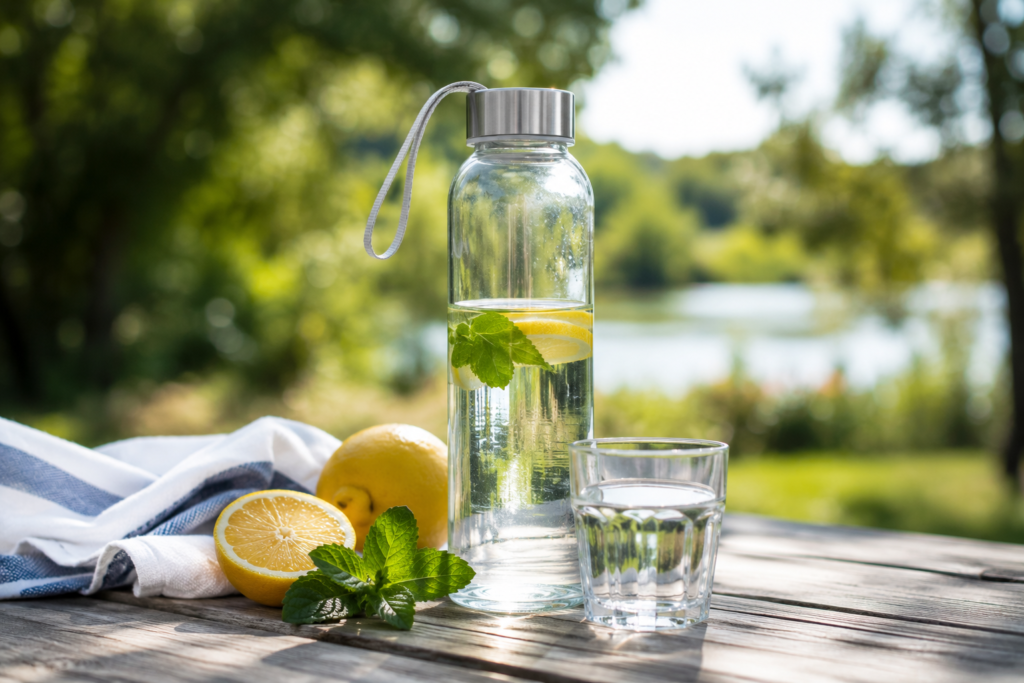
If plain water feels boring, try adding slices of lemon, cucumber, mint, or berries. These natural flavors can make drinking water more enjoyable without adding significant calories.
Eat More Water-Rich Foods
Fresh fruits and vegetables provide both nutrients and hydration. Including them in your meals is an easy way to support your daily fluid intake.
9. Common Hydration Myths
There is plenty of misinformation about hydration. Let’s separate fact from fiction.
Myth 1: Everyone Must Drink Eight Glasses a Day
This is probably the most common hydration myth.
While eight glasses may be a reasonable goal for some people, there is no scientific rule stating that everyone needs exactly this amount. Your water needs depend on your body, activity level, climate, and diet.
Myth 2: You Should Only Drink Water
Water is the best choice, but it’s not the only source of hydration.
Tea, coffee, milk, soups, and fruits and vegetables all contribute to your daily fluid intake.
Myth 3: If You’re Thirsty, You’re Already Severely Dehydrated
Thirst is your body’s natural signal that it’s time to drink. While you shouldn’t ignore it, feeling thirsty doesn’t automatically mean you’re dangerously dehydrated.
The goal is simply to respond to your body’s signals before dehydration progresses.
Myth 4: Drinking More Water Automatically Leads to Weight Loss
Water can support weight management by replacing sugary drinks and helping you feel full before meals. However, drinking large amounts of water alone won’t cause significant weight loss without a balanced diet and regular physical activity.
10. A Simple Daily Hydration Plan
Instead of focusing on a single large daily target, try spreading your water intake throughout the day.
| Time | Hydration Habit |
|---|---|
| After waking up | Drink one glass of water |
| With breakfast | Water or unsweetened tea |
| Mid-morning | Refill your bottle |
| Before lunch | One glass of water |
| Afternoon | Stay hydrated during work or study |
| Before and after exercise | Replace fluids lost through sweat |
| With dinner | Drink another glass of water |
| Evening | Sip water if you’re thirsty, without overdoing it before bed |
This approach makes hydration feel natural rather than forced.
Remember, consistency matters far more than perfection.
Conclusion
Proper hydration is one of the simplest yet most effective ways to support your overall health. Water helps regulate body temperature, transport nutrients, protect your organs, and keep your brain and muscles functioning efficiently.
Rather than following a one-size-fits-all rule, pay attention to your body’s needs. Factors such as your activity level, climate, diet, and health all influence how much water you should drink each day.
Building small daily habits—like carrying a water bottle, eating water-rich foods, and drinking consistently throughout the day—can make staying hydrated effortless.
Combined with a balanced diet and regular physical activity, proper hydration is a powerful step toward a healthier lifestyle.
Start with one simple change today. Your body will thank you.
For additional information about safe drinking water and healthy hydration, you can also visit the World Health Organization (WHO).
Frequently Asked Questions
Is drinking 2 liters of water a day enough?
For many adults, 2 liters is a good starting point. However, individual needs vary depending on body size, activity level, climate, and overall health.
Does coffee dehydrate you?
No. Moderate coffee consumption contributes to your daily fluid intake, despite caffeine’s mild diuretic effect.
Can drinking more water help with weight loss?
Water may support weight management by replacing sugary beverages and increasing feelings of fullness, but it is not a standalone weight-loss solution.
What are the first signs of dehydration?
Common early signs include thirst, dark urine, dry mouth, fatigue, headaches, and difficulty concentrating.
Can you drink too much water?
Yes, although it is rare. Drinking excessive amounts of water in a short period can lead to hyponatremia, a potentially serious condition caused by low sodium levels.